



Spotlights
Event Photography Specialist, Event Photographer, Special Event Photographer, Corporate Event Photographer, Wedding Photographer, Concert Photographer, Sports Event Photographer, Fashion Event Photographer, Social Event Photographer
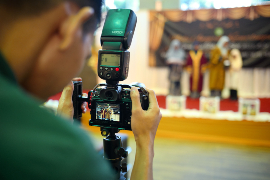
The first dance, the keynote handshake, the confetti drop—moments at weddings and corporate events happen once, and Event Photographers capture them under pressure with creativity and speed! Their images become albums, marketing assets, and memories clients treasure for years.
Event Photographers plan shot lists, scout venues for lighting, coordinate with planners and clients, and shoot fast-moving programs—ceremonies, receptions, galas, trade shows, and brand activations. They edit and deliver galleries on deadline, maintain backup gear, and manage contracts, timelines, and usage rights. Many run independent businesses; others work for studios, agencies, or in-house corporate communications teams.
They use professional cameras, flash systems, and Lightroom workflows while directing groups politely in crowded rooms. Whether documenting a black-tie gala or a backyard wedding, skilled Event Photographers combine photojournalistic reflexes with client service and business savvy.
- Capturing once-in-a-lifetime moments for clients
- Variety—every venue, crowd, and lighting challenge is different
- Entrepreneurial income potential for independent shooters
- Portable skills across weddings, corporate, nonprofit, and media gigs
Working Schedule
Event Photographers work heavily on weekends, evenings, and holidays when events occur. A typical week includes client consultations midweek, editing days after shoots, and Saturday–Sunday event coverage. Peak wedding season (spring through fall) means consecutive booking weekends and limited time off.
Typical Duties
- Consult with clients on coverage hours, shot lists, and deliverables
- Scout venues in advance for lighting, backgrounds, and logistics
- Capture ceremony, reception, or program moments candidly and posed
- Direct group photos efficiently without delaying event timelines
- Manage on-camera flash, off-camera lighting, and low-light settings
- Coordinate with videographers, planners, and venue staff
- Back up image files on-site with dual cards and portable drives
- Cull, edit, color-correct, and retouch selected images
- Deliver online galleries within contracted turnaround times
- Maintain and insure cameras, lenses, and lighting kits
- Market services through websites, social media, and vendor networks
- Handle contracts, deposits, model releases, and usage licensing
Additional Responsibilities
- Second-shoot or assist lead photographers on large weddings
- Offer print packages, albums, and wall art upsells
- Shoot detail tables, décor, and branding elements for corporate clients
- Create same-day slideshows or social media preview edits
- Travel regionally or nationally for destination events
- Mentor associate photographers and train assistants
- Update SEO and portfolio sites with recent work
A wedding day starts with detail shots—rings, flowers, dress—before guests arrive. The photographer captures getting-ready moments, then positions for processional coverage without blocking guest views.
During reception, they balance candids on the dance floor with formal family formals, adjusting flash power as room lighting shifts. A quick backup card swap and lens change happen between toast and cake cutting.
After the last song, the photographer packs gear, confirms nothing was left behind, and heads home to back up files twice. The next two weekdays are culling thousands of frames and delivering a sneak-peek gallery while marketing next weekend's corporate gala.
Soft Skills
- Calm professionalism in chaotic, emotional environments
- Client communication and expectation management
- Time awareness—never missing a first kiss or CEO entrance
- Crowd diplomacy when directing large group photos
- Stamina for 10–12 hour standing shoots
- Adaptability when timelines run late or weather shifts outdoors
- Business negotiation on packages and usage rights
- Creative eye for moments and composition under pressure
- Reliability—equipment ready, early arrival, backup plans
- Discretion around private corporate or celebrity events
Technical Skills
- DSLR/mirrorless camera operation at high ISO and fast shutter speeds
- On-camera and off-camera flash techniques (bounce, diffusers, TTL)
- Adobe Lightroom and Photoshop batch editing workflows
- Lens selection—24-70mm, 70-200mm, primes for low light
- White balance and color consistency across mixed lighting
- Dual-card writing and redundant backup routines
- Basic posing and composition for groups and couples
- Gallery delivery platforms (Pixieset, SmugMug, CloudSpot)
- Contract and copyright basics for commercial vs. personal use
- Evening indoor reception lighting without harsh shadows
- Wedding Photographers: Full-day nuptial and portrait coverage
- Corporate Event Photographers: Conferences, galas, and brand activations
- Social and Party Photographers: Birthdays, mitzvahs, and celebrations
- Conference and Trade Show Photographers: Keynotes, booths, and networking
- Nonprofit Event Photographers: Fundraisers and donor recognition events
- Sports Banquet and Awards Photographers: Team celebrations and ceremonies
- In-House Brand Photographers: Staff covering company events nationally
- Independent photography studios and sole proprietorships
- Wedding planning vendor teams and preferred photographer lists
- Corporate communications and marketing departments
- Convention centers and hotel event sales teams
- Public relations and experiential marketing agencies
- Nonprofit development and gala committees
- Entertainment and music venue promotion teams
- Cruise lines and resort activity photography programs
- Photo booth and event media hybrid companies
- Professional associations (PPA, WPPI, local guilds)
Weekends and evenings dominate the calendar—personal plans revolve around bookings. Shoot days are long, with heavy gear bags and little downtime during events.
Business tasks—sales, editing, taxes, marketing—consume weekdays. Seasonal income swings hit wedding-focused photographers; reputation damage from one missed moment is hard to repair.
Photographers who love the work describe adrenaline during the event and deep satisfaction when clients cry happy tears seeing their gallery.
- Hybrid photo + short-form video packages for social sharing
- Same-day edits and Instagram preview deliveries
- Mirrorless cameras dominating low-light performance
- Drone and venue aerial add-ons where permitted
- Authentic documentary style vs. heavily posed traditions
- Online gallery and AI culling tools speeding workflow
- Corporate demand for brand-consistent event content libraries
- Inclusive representation in marketing portfolios
- Insurance and contract clarity around copyright and AI training
Many Event Photographers got their start photographing friends, school dances, or family gatherings—always the one with a phone or camera documenting the room.
Yearbook, AV club, or art electives nurtured composition skills. They liked people, parties, and storytelling—and realized they could build a business around capturing celebrations.
Event Photographers often combine self-taught camera skills with certificates or degrees in photography, visual communications, or digital media. Formal credentials help but portfolios, referrals, and consistent delivery speed hiring more than diplomas alone. Business and marketing knowledge is essential for independent practitioners.
Students can take courses in relevant subjects such as:
- Digital photography and lighting fundamentals
- Portrait and event photography techniques
- Adobe Lightroom and Photoshop for photographers
- Visual storytelling and composition
- Small business and freelance entrepreneurship
- Marketing and social media for creatives
- Copyright and media law basics
- Video basics for hybrid event packages
- Graphic design for album layout and branding
Second-shoot weddings, volunteer at nonprofit galas, and assist established photographers before booking solo clients. A strong online portfolio with full event narratives—not just highlight reels—proves readiness to planners and couples.
ON-THE-JOB TRAINING
Assistants learn timeline management, flash setups, and client communication by shadowing lead shooters over multiple seasons. Studio employees master corporate lighting standards and same-day delivery expectations on the job.
OPTIONAL CERTIFICATIONS
- Professional Photographers of America (PPA) CPP certification
- Adobe Certified Professional in Visual Design
- Drone Part 107 Remote Pilot Certificate for aerial add-ons
- OSHA or venue safety orientations for large convention centers
- WPPI or industry workshop completion certificates for specialization
- Take photography, art, and media CTE courses
- Shoot school events, sports, and theater productions for practice
- Build a portfolio website with themed galleries by junior year
- Assist a local wedding photographer for at least one season
- Learn Lightroom editing through daily practice on personal shoots
- Study small business basics—contracts, taxes, and pricing
- Network with planners via Instagram and local vendor mixers
- Enter student photography contests and critique groups
- Invest gradually in reliable used pro gear and backup bodies
- Practice posing friends and large groups before paid gigs
- Research associate degrees in commercial photography
- Create clear packages and pricing sheets before marketing publicly
- Choose programs emphasizing lighting labs and live event practicums
- Look for business of photography courses—not camera-only curricula
- Prefer instructors working active event portfolios
- Seek internship placement with studios or corporate comms teams
- Confirm access to studio strobes and location lighting kits
- Compare community college value vs. private art school cost
- Ask about alumni booking full-time event work within two years
- Select schools near markets with strong wedding and corporate demand
- Verify critique culture with portfolio reviews each term
- Supplement with PPA or WPPI workshops for industry networking
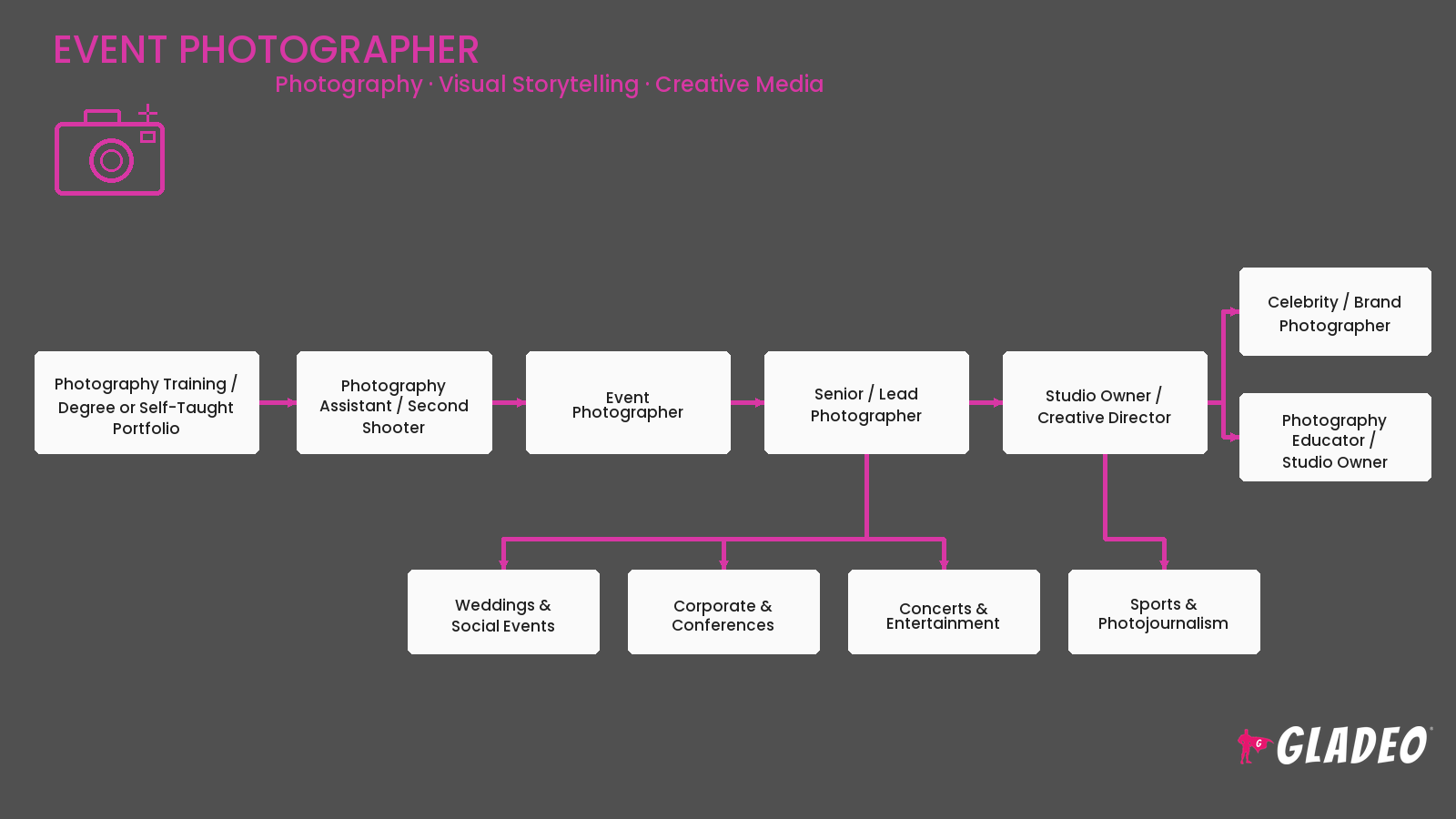
- Apply to assistant and second-shooter listings on Indeed and photography forums
- Network with wedding planners—deliver business cards and sample galleries
- Target entry titles: Photography Assistant, Second Shooter, Event Staff Photographer
- Offer discounted portfolio-building sessions with clear contracts
- Join local vendor groups and attend bridal expos responsibly
- Pitch nonprofits for gala coverage in exchange for portfolio use rights
- Highlight turnaround time and backup workflow in client consultations
- Maintain Instagram and website SEO with recent tagged venues
- Prepare to show full wedding or event galleries—not only favorites
- Carry proof of insurance—many venues require certificates of liability
- Raise rates as reviews and referral volume grow
- Hire associates and scale to multi-shooter studio model
- Specialize in luxury weddings or Fortune 500 corporate accounts
- Add video hybrid packages with dedicated editors
- License images to agencies for stock and brand campaigns
- Teach workshops or mentor through PPA and local guilds
Websites:
- Professional Photographers of America (PPA)
- WPPI (Wedding and Portrait Photographers International)
- Fearless Photographers and documentary wedding communities
- The Knot and WeddingWire vendor education hubs
- SmugMug and Pixieset photographer resources
- International Live Events Association (ILEA)
- LinkedIn and Indeed creative job listings
- Local wedding planner association vendor directories
- Adobe Lightroom and photography tutorial sites (Phlearn, SLR Lounge)
- ASMP (American Society of Media Photographers) business guides
Books:
- The Digital Photography Book by Scott Kelby
- Lighting for Digital Photography by Syl Arena
- The Photographer's MBA by Sal Cincotta
- Wedding Storyteller by Roberto Valenzuela
- Legal Handbook for Photographers by Bert P. Krages
Related careers that use overlapping skills include:
- Photojournalist
- Portrait Photographer
- Commercial Photographer
- Videographer
- Social Media Content Creator
- Photo Editor
- Graphic Designer
- Marketing Coordinator
- Gallery or Studio Manager
- Visual Merchandiser
Newsfeed

Featured Jobs
Online Courses and Tools
Annual Salary Expectations
New workers start around $32K. Median pay is $40K per year. Highly experienced workers can earn around $62K.