

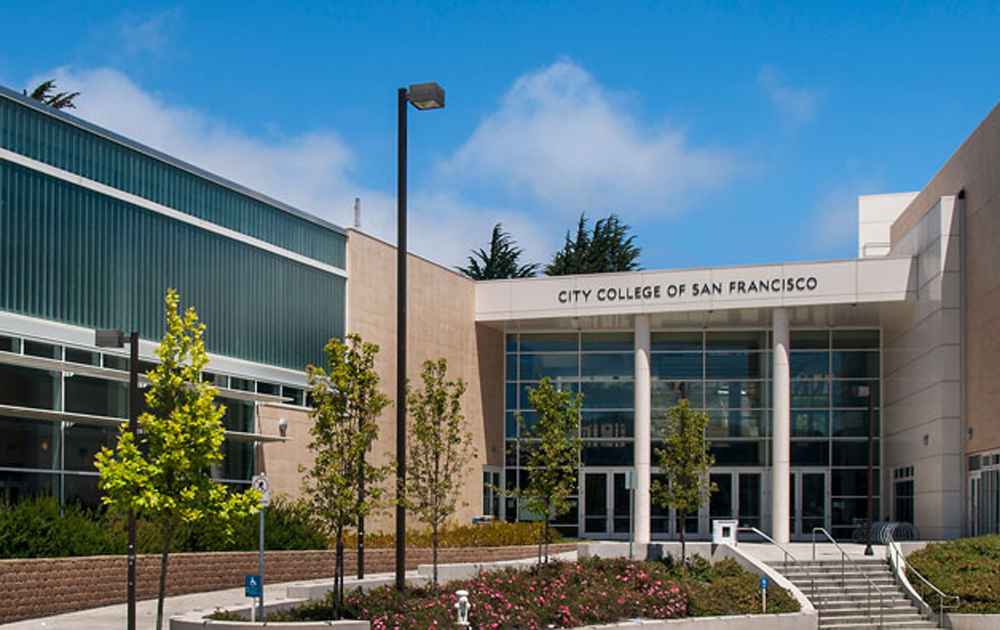

Associate in Science Degree in Biological Sciences (Emphasis Health Science) (Associates)
City College of San Francisco
San Francisco, CA
CCSF’s Biological Sciences (Emphasis Health Science) major offers courses in chemistry, anatomy, physiology, and microbiology to serve students with diverse goals in health sciences, including preparation for Registered Nursing (RN), Bachelors of Science in Nursing (BSN) and Masters of Science in Nursing (MSN) degrees. Note that those transferring to MSN programs already possess BS or BA degrees and are completing prerequisites required for admission. Biological Sciences (Emphasis Health Science) majors will be able to take most or all of their lower division courses at CCSF before they transfer but should see a counselor to confirm their program of study. Additional courses might be required to transfer to particular institutions.
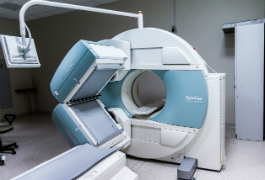
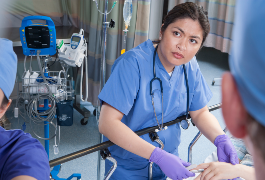
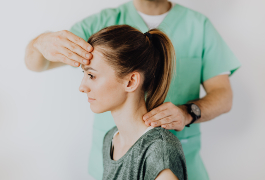
A major in Biological Sciences (Emphasis Health Science) prepares students for further study, certification, and employment in a variety of health science careers such as nursing, radiologic technology, respiratory therapy, occupational therapy, and physical therapy. In addition to these diagnostic and therapeutic fields, students will also be prepared to pursue further education and training in a variety of non-clinical support services, public health, and health administration careers. This program provides most, if not all, of the prerequisite courses needed for entry in RN and BSN programs and most, if not all, of the lower division courses needed for transfer to a four-year college or university.
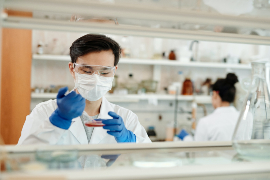
Through the core units of the Biological Sciences (Emphasis Health Science) major, students will gain the scientific background necessary to complete courses in a variety of healthcare-related professional programs and upper division nursing courses. The laboratory work will provide students with fundamental laboratory skills and the ability to critically evaluate and use scientific information.
Learning Outcomes
Upon completion of this program, students will be able to:
🗸 Articulate the relationship between structure and function in the human body.
🗸 Describe how disease states modify normal homeostatic functions.
🗸 Evaluate social and environmental impacts on human health.
🗸 Apply basic laboratory skills and analytical methods to scientific study.
🗸 Critique health-care-related scientific information based on the strength and quality of the supporting evidence.
Details
Related Industries
Related Careers